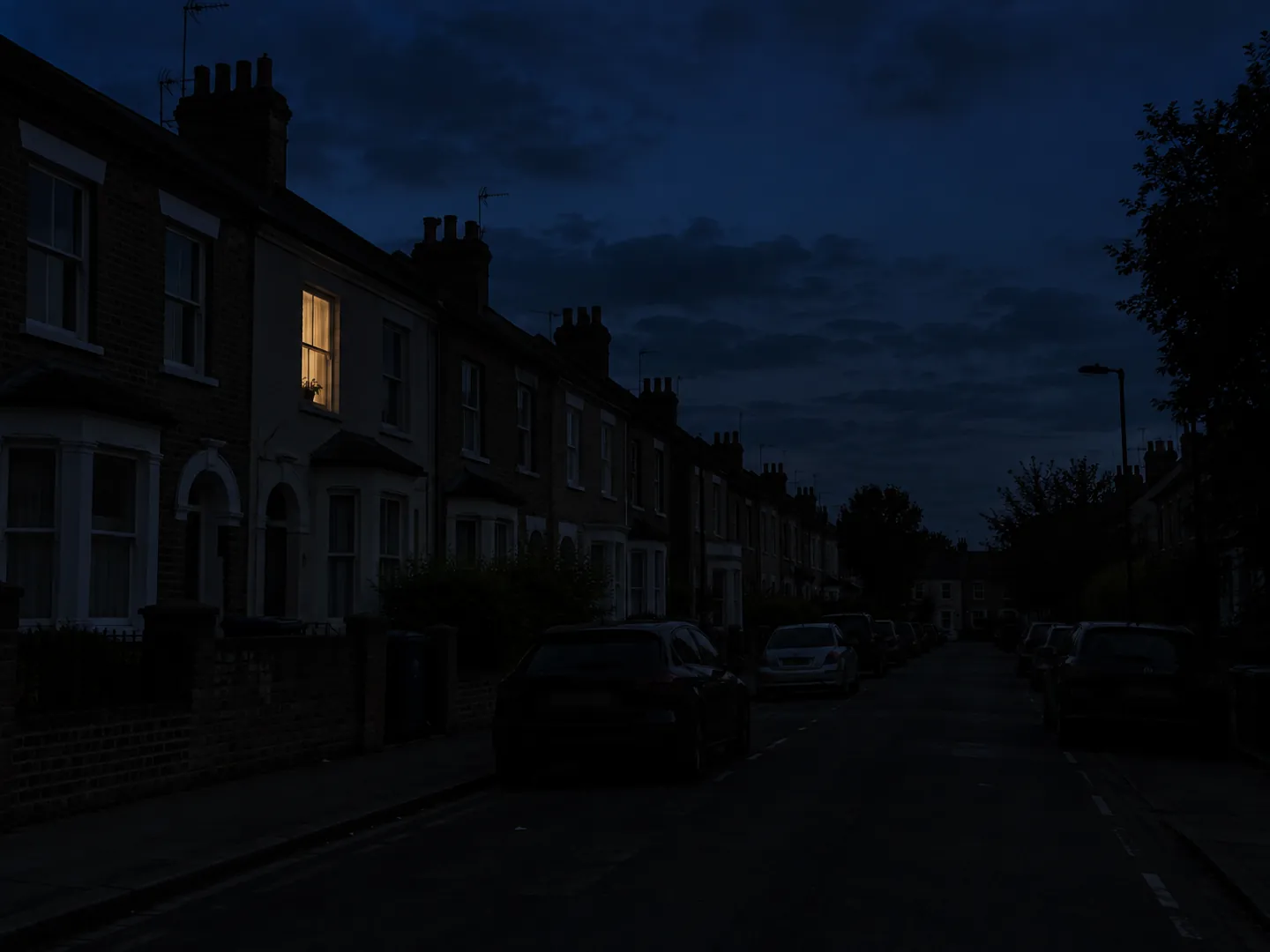
POWER OUTAGE
Panels shut off
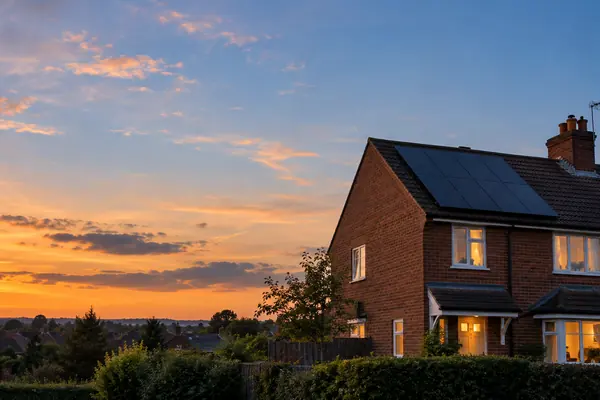
Grid-tied systems typically need an inverter with anti-islanding capability. It senses an outage, disconnects from the grid and shuts itself off, protecting utility workers from live wires.
Check your setup homesolarbatterybackup
WHAT THE GUIDANCE SAYS
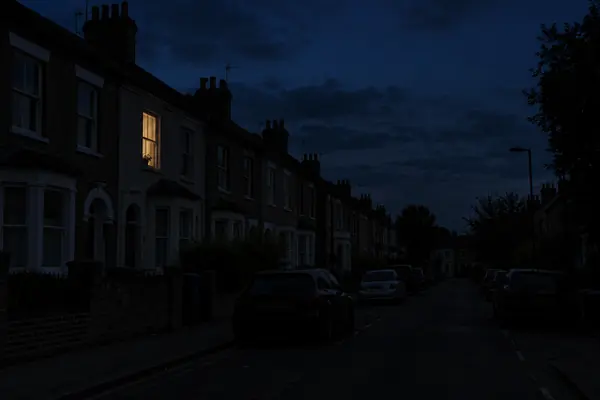
Solar panels on the roof do not mean lights in a power outage.
Check your setup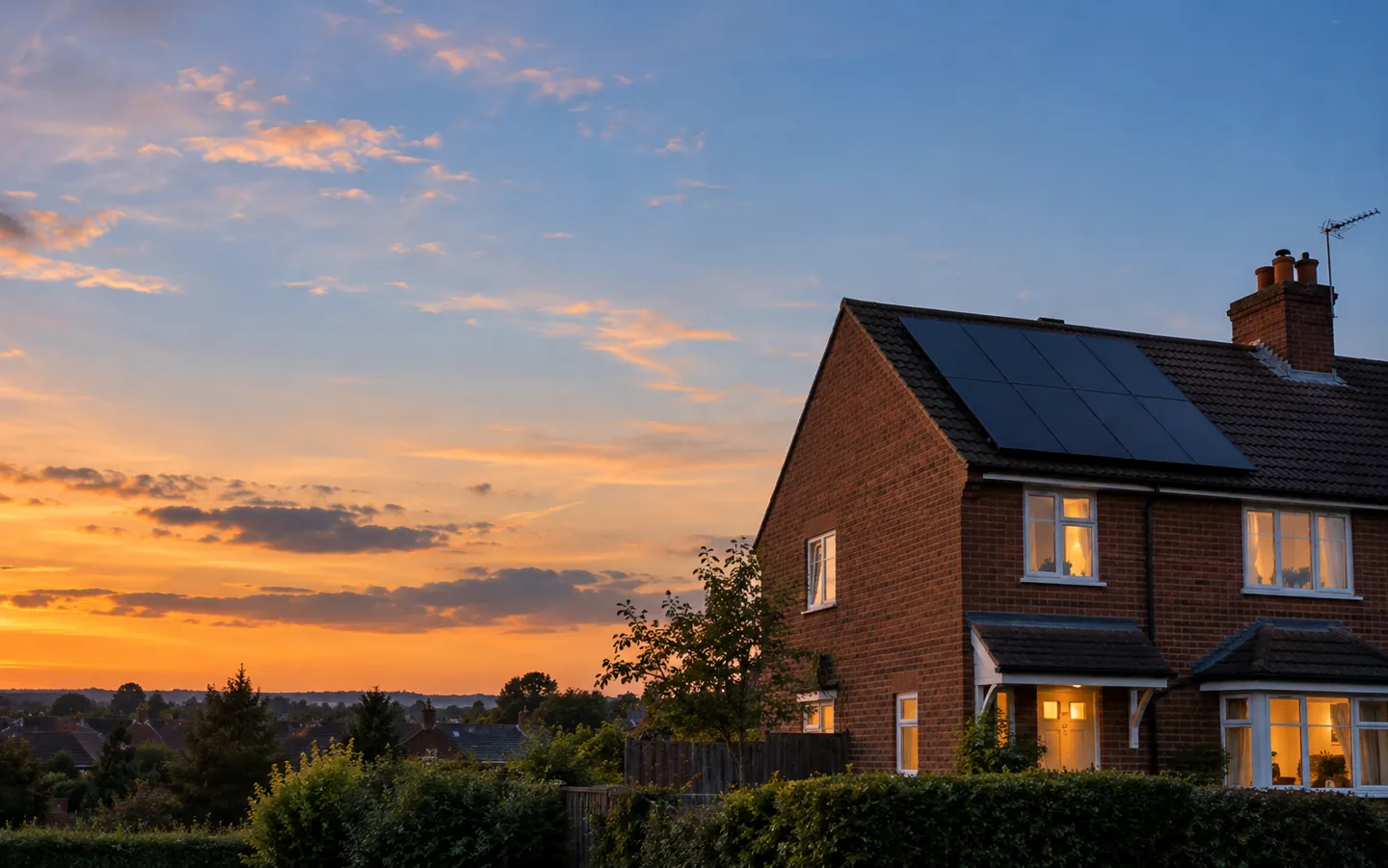
ISLANDINGmakes the difference
Grid-tied solar uses an inverter with anti-islanding protection that shuts the system off when the grid goes down. Whether a battery keeps anything running then depends on one feature: the ability to island.
Updated
THE SHORT ANSWER
University and federal guidance explain what happens.
Three things worth knowing.
POWER OUTAGE
Grid-tied systems typically need an inverter with anti-islanding capability. It senses an outage, disconnects from the grid and shuts itself off, protecting utility workers from live wires.
Check your setupISLANDING
A system with islanding capability and batteries can run independently of the grid and supply emergency power to critical loads. Without it, the system goes dark with the grid.
Before the next outageSIZE
Battery size is measured in kilowatt-hours, the energy it holds. Power capacity, in kilowatts, is how much it can deliver at one time.
See the numbersA QUICK SETUP CHECK
Pick the setup closest to yours to see what happens when the power goes out, based on university guidance on solar islanding. The bar shows how much keeps running.
Based on the Rutgers Green Manual on solar islanding and microgrid-ready PV. Ask your installer how your own system is set up.
TWO NUMBERS WORTH KNOWING
How big one home battery unit can be under the residential code,
and how much can go in a garage.
20 kWh
Largest single battery unit without extra testing
UL's summary of IRC Section R328 and NFPA 855 caps an individual residential storage unit at 20 kWh. Larger ratings need a UL 9540A test report.
PER UNIT · RESIDENTIAL CODE
80 kWh
Total allowed in a garage or outdoors
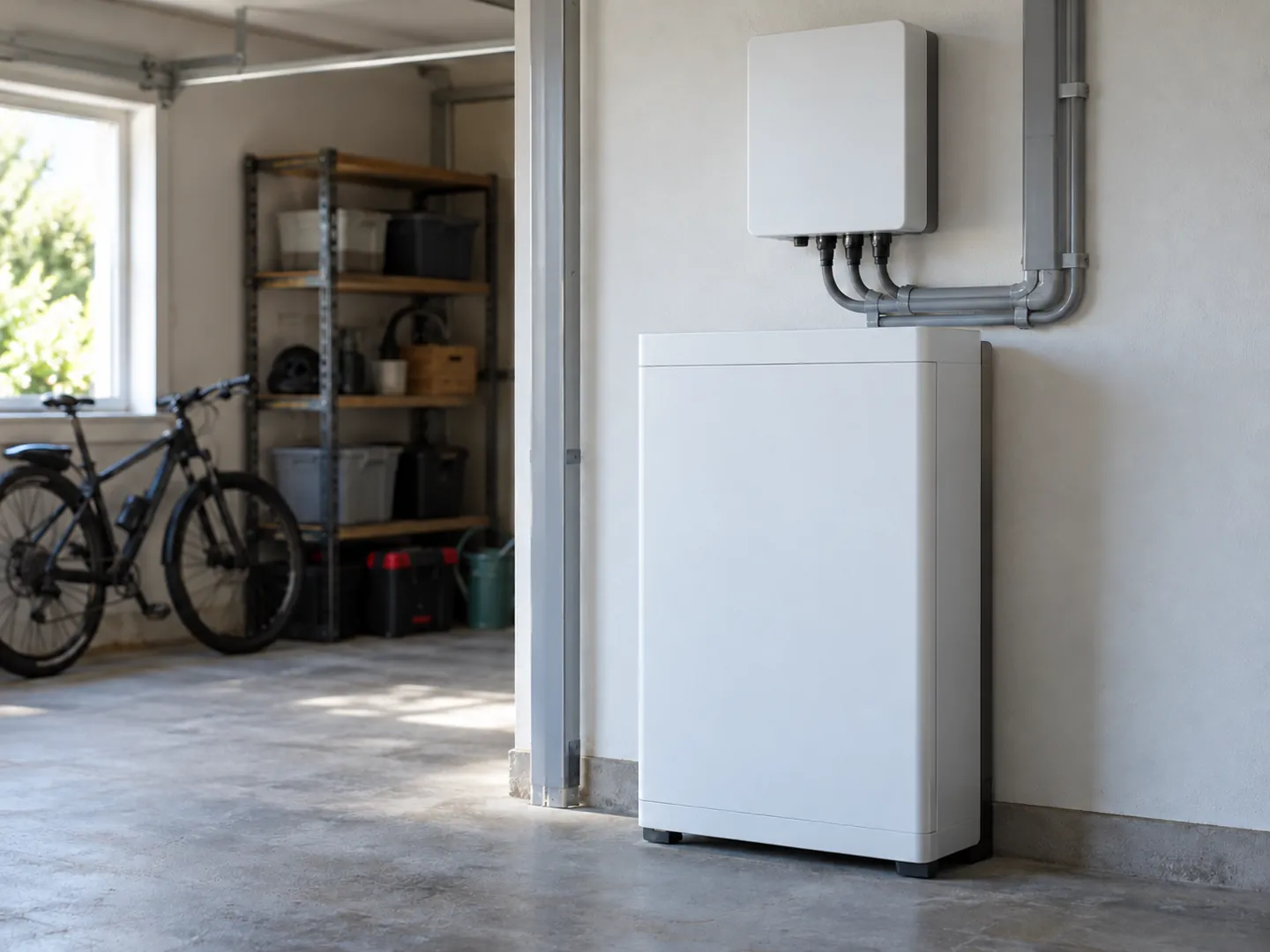
Up to 80 kWh in total in attached or detached garages, on exterior walls or outdoors on the ground, but only 40 kWh in utility closets, basements and storage spaces.
GARAGE · RESIDENTIAL CODE
The US Department of Energy notes that storage is never 100% efficient: some energy is always lost in converting energy and retrieving it.
FOUR STEPS BEFORE THE NEXT OUTAGE
These come from university, federal and FEMA guidance. None of them involves touching the wiring yourself.
Ask your installer whether your inverter and battery can island. If not, expect the system to shut off with the grid.
Islanding systems usually feed a critical loads panel, not the whole home. Find out which lights, outlets and appliances are on it.
Ready.gov advises making a plan for refrigerating medicines and powering medical devices before an outage happens.
Unplug appliances and electronics to avoid damage from surges. If you use a generator, run it outdoors and at least 20 feet from openings.
WHERE BATTERIES GO
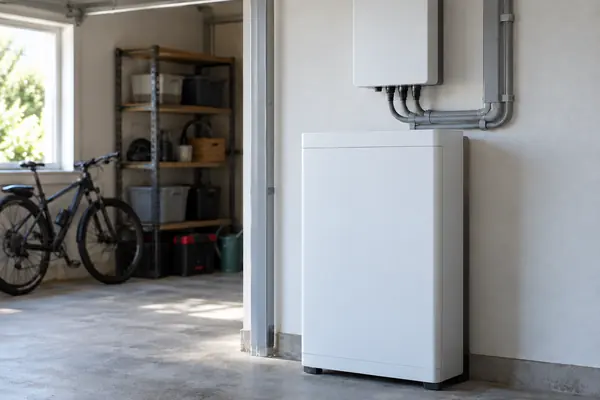
Under IRC Section R328 and NFPA 855, as summarized by UL, a home energy storage system must be listed and labeled to UL 9540 and installed according to the manufacturer's instructions and its listing.
Units must be at least 3 feet apart unless a UL 9540A test report supports less. Location sets the total: 40 kWh in utility closets, basements and storage spaces, 80 kWh in garages, on exterior walls or outdoors.
Questions
Usually not on their own. Grid-tied systems typically need an anti-islanding inverter that senses an outage, disconnects from the grid and shuts itself off to protect utility workers.
Only if the system is islanding-capable. Then it can run independently of the grid and supply critical loads. Without that capability, it shuts off when the grid does.
To protect utility workers from live wires and prevent power surges. Laws typically require grid-tied systems to use an inverter with anti-islanding capability.
Energy capacity, in kilowatt-hours, is the total energy a battery can store. Power capacity, in kilowatts, is how much energy it can release at a given time, as the US Department of Energy explains.
UL's code summary allows garages, exterior walls, outdoors on the ground, utility closets, basements and storage spaces, with total limits of 80 kWh or 40 kWh depending on the location.
ABOUT THIS NAME
homesolarbatterybackup.com is part of the DoodleSale portfolio. It isn't in an auction right now, but you can ask about leasing it.